Week 10 – Food Diary: What Gets Measured Gets Managed | Functional Nutrition Coach
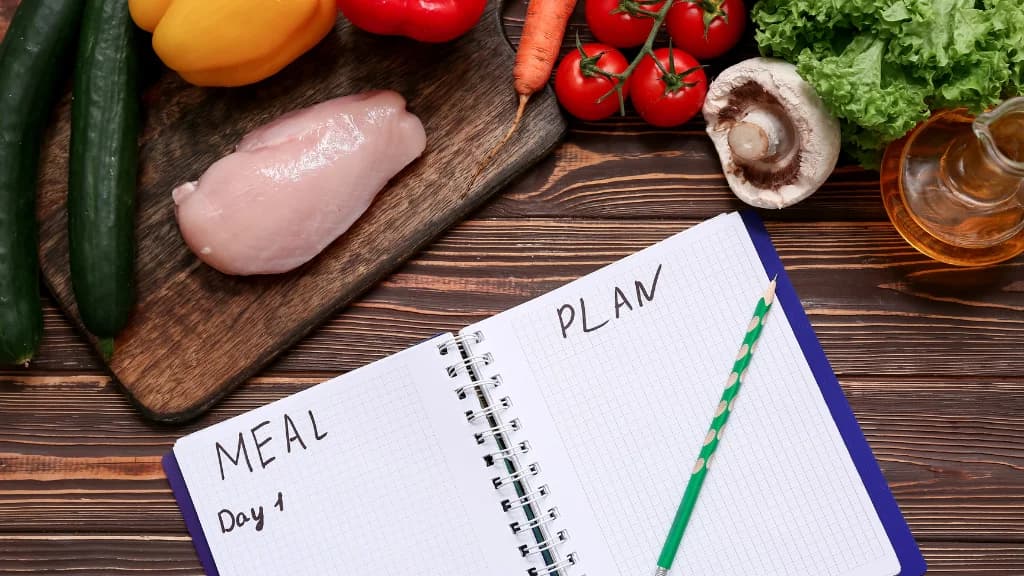
I can’t believe I’m at Week 10 already! The changes I’ve seen and felt over the past two months have been nothing short of remarkable. But this week, I’m tackling something I’ve never really done before: tracking my food.
Quick Summary: A Functional Nutrition Coach’s Case for Tracking Food
I have had a complicated relationship with food for as long as I can remember, and I never realised just how deep it ran. Working in kitchens from age 14 shaped my eating habits in ways I’m only now beginning to understand, and as a functional nutrition coach, this week is about finally understanding what my body actually needs, not guessing at it.
Why My Relationship With Food Has Always Been Complicated
Back in the late 80s, kitchens were a completely different world: no political correctness, no “work-life balance,” and let’s be honest, chefs were next-level crazy. Pots were thrown, tempers flared daily, and you learned resilience the hard way. That chaotic environment shaped how I ate, or rather, how I didn’t.
Long hours, high pressure, and constant rush meant food was an afterthought. I never knew if I’d eaten some days, and by the time I had the chance, I either wasn’t hungry anymore or was too exhausted to care. That pattern stuck with me for decades.
The Pattern I Didn’t Recognise
Even now, my default setting is not to eat when I’m stressed. I don’t emotionally eat; I just don’t eat at all. The problem is, when I don’t eat enough, my energy crashes, I lose weight too fast, and my immunity takes a hit.
Looking back at my endurance sports days- triathlons, cycling, long-distance training- I was constantly under-fuelled. As a functional nutrition coach, I now see exactly what was missing: not more willpower, but a system for actually seeing what I was and wasn’t eating.
I never really thought much about my relationship with food until last weekend, when I got food poisoning. Being sick made me hyper-aware of how I really treat my body. I had to face the fact that I don’t eat enough, I’m inconsistent, and my habits haven’t changed much since my early hospitality days. Add in my food allergies, and eating out becomes a minefield; the anxiety of “will this food make me sick?” has shaped how I eat too.
Why a Functional Nutrition Coach Tracks Food, Not to Restrict, But to Understand
I don’t want to just survive this year; I want to thrive. That means creating a new relationship with food, one that fuels me instead of depleting me. So this week, I’m introducing a food diary. They say “what gets measured gets managed,” and that couldn’t be truer. We are what we eat, but most of the time we have no idea what we’re actually consuming; we eat out of habit, boredom, stress, or sometimes, like me, we don’t eat at all.
Tracking isn’t about restricting myself; it’s about making sure I’m actually eating enough. Having just completed my nutrition studies, I now have the knowledge to understand what my body needs, and as a functional nutrition coach, I can’t make excuses anymore; I know better now.
How I’m Building This Habit
I’ve also set an alarm at 7:30 p.m. every night as a reminder. The key to making a habit stick, something every functional nutrition coach knows, is making it automatic; if I don’t log it, I won’t know what I’m eating. This is the same non-negotiable structure I build with women each week inside Promise Kept, and the same identity-level pattern work I explore inside Reclaim Her.
Food tracking isn’t just for weight loss; it’s for anyone who wants to understand their eating patterns, make better choices, and get real with themselves about what they’re putting into their bodies. As a functional nutrition coach, that awareness is everything.
Conclusion
So for Week 10, my habit is simple: track everything I eat and drink. This habit will build awareness, fuel my body properly, and help me stay on track as I move forward. If your relationship with food has quietly gone sideways too, that’s exactly the work I do as a functional nutrition coach inside Transformational Coaching. Because at the end of the day, what gets measured gets managed.
FAQ’s
Is food tracking only useful for weight loss?
No. It’s just as useful for understanding whether you’re eating enough and building genuine awareness around food.
What if I tend to under-eat rather than overeat?
Tracking works both ways. A functional nutrition coach uses it to catch under-eating just as often as overeating.
Do I need a paid app to track food properly?
No. A free tool like MyFitnessPal is enough to start; consistency matters far more than the app itself.
How do I make a new tracking habit actually stick?
Attach it to a fixed time and a trigger, like an alarm, so it becomes automatic rather than something to remember.
Can past experiences really shape how I eat decades later?
Yes. High-pressure environments like busy kitchens can quietly wire in food patterns that outlast the environment itself.
Curious what working with Katrina actually looks like? Read her story or get in touch.